Introduction
Every drilling operation brings its own set of challenges and safety concerns. Implementing best practices consistently protects workers and equipment while enhancing the quality of results. Whether you’re a drilling contractor or a client monitoring progress, understanding and prioritizing the following safety tips will improve every job.
Drill Rig Preparation
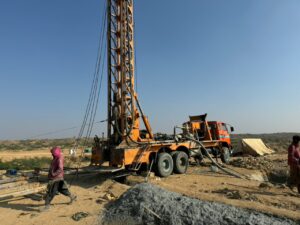
Before work begins, ensure that the drill rig and support equipment are properly inspected. Inspect hydraulic lines, check drill bits, and confirm that emergency stop systems function correctly. Regular checks can prevent failures during critical operations.
Risk Identification and Controls
Identify all possible hazards and establish controls to eliminate, reduce, or manage risks. This includes recognizing slips, equipment entanglement, falling tools, or unstable ground conditions. Pre-job talks help teams understand these risks and prepare accordingly.
Personal Protective Equipment (PPE)
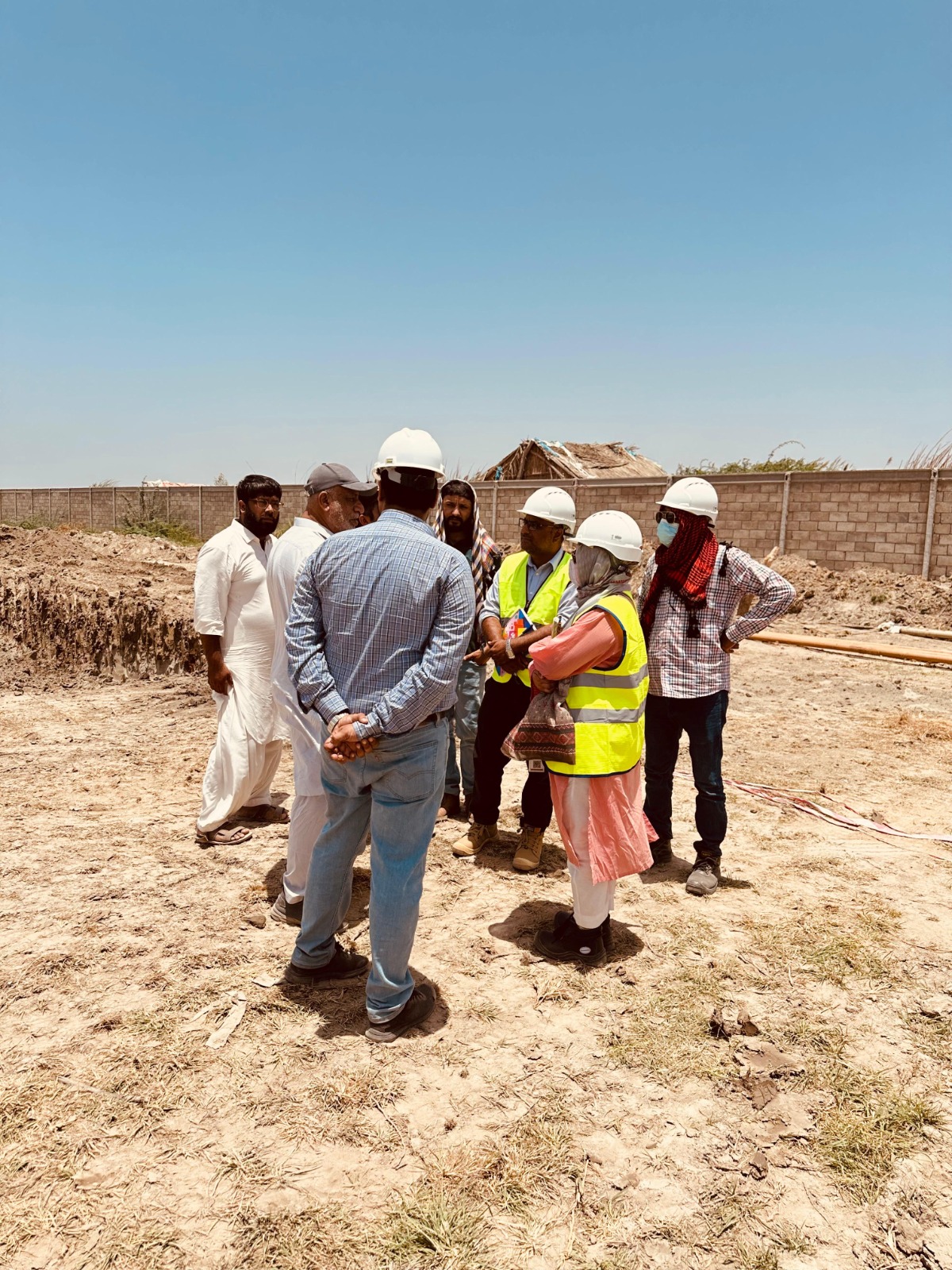
Proper PPE is mandatory at all drilling sites. This includes hard hats, safety boots, gloves, and eye protection. Ensuring that each team member wears appropriate gear minimizes the impact of unforeseen incidents.
Ongoing Communication
Daily safety briefings foster teamwork and bring awareness to job-specific hazards. Encourage workers to share observations and raise concerns. Open communication means issues are addressed before they escalate.
Equipment Operation Standards
Operators should only use equipment they are trained and authorized to operate. Proper operation minimizes mistakes and reduces the likelihood of accidents from incorrect handling.
Emergency Action Plans
All teams should be familiar with evacuation routes, emergency procedures, and first-aid stations. Quick response times can make a significant difference in the event of an injury or equipment malfunction.