Introduction
In an era where environmental responsibility is paramount, drilling companies must balance operational efficiency with ecological care. At SAF Drilling & Engineering, we believe that environmental stewardship is not separate from our work — it’s part of our core commitment to responsible service delivery.
Drilling can affect soil, water, vegetation, and wildlife if not managed properly. That’s why modern drilling practices emphasize sustainability, compliance, and proactive mitigation.
Understanding Environmental Impact
Drilling activities can influence:
-
Groundwater quality
-
Soil stability
-
Surface water runoff
-
Air emissions
-
Local ecosystems
Responsible drilling requires awareness of these potential impacts and implementation of measures that minimize them.
Site Evaluation and Planning
Environmental care begins before drilling starts. Site evaluations assess soil types, water tables, vegetation cover, and nearby habitats. By understanding conditions in advance, SAF Drilling plans routes, access points, and drilling methods that reduce disturbance.
This may include avoiding sensitive areas, selecting low-impact drilling routes, and timing work to avoid periods critical for wildlife.
Erosion and Sediment Controls
Soil erosion can occur when land is disturbed. To protect surrounding environments, measures such as erosion control barriers, sediment traps, and temporary ground covers are implemented.
These systems prevent soil from washing into nearby streams or fields during rainstorms, reducing sedimentation and supporting water quality.
Well Construction Standards
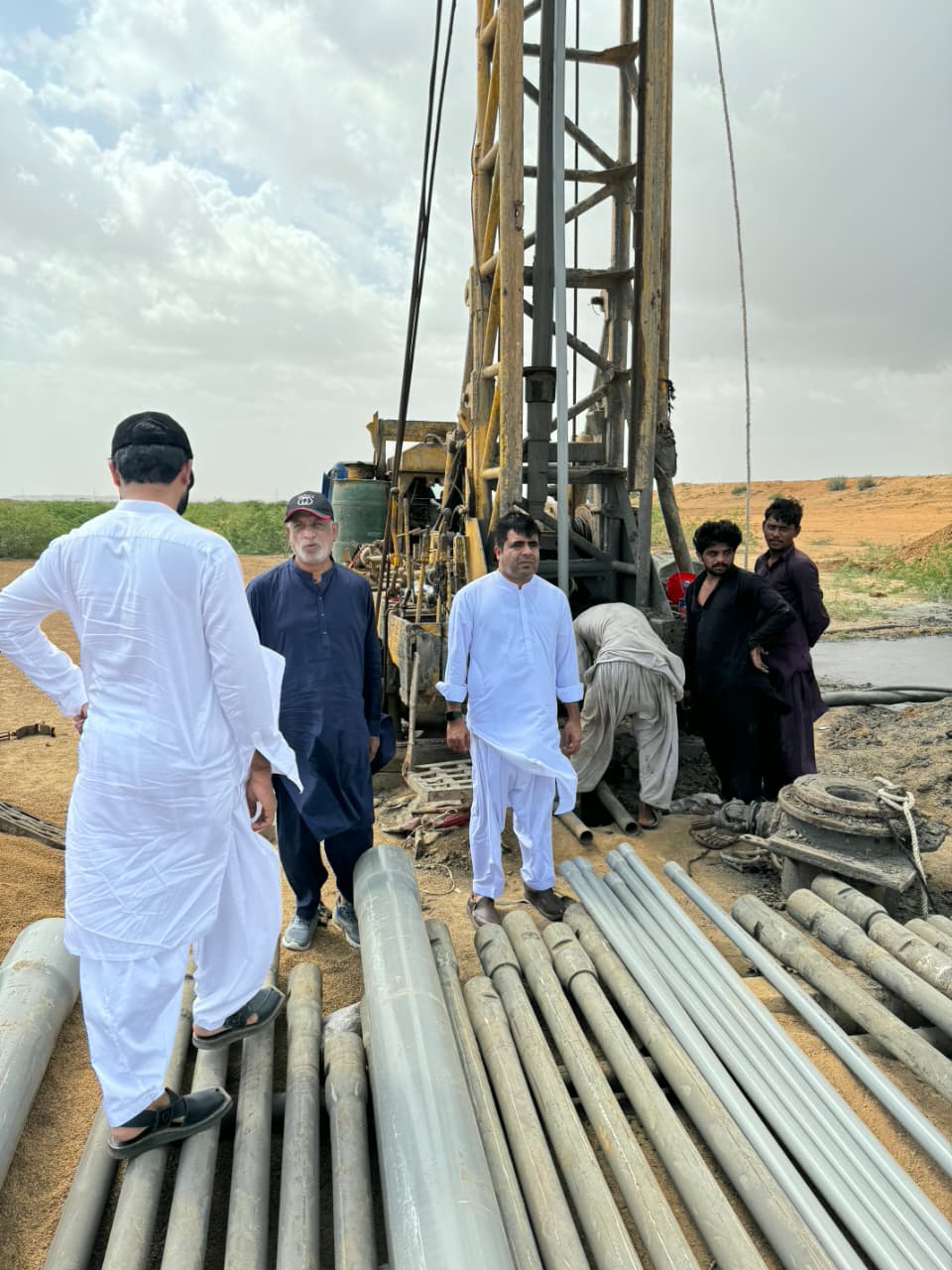
Water well drilling, in particular, demands strict environmental safeguards. Proper casing, seals, and grouting prevent surface contamination from entering aquifers. These construction standards protect not only your water source but also the broader environment.
SAF Drilling follows best practices and regulatory guidance to ensure wells are built with integrity and long-term sustainability.
Waste Management and Recycling
Drilling produces waste materials such as drill cuttings, fluids, and used PPE. Proper waste management practices ensure that:
-
Hazardous waste is contained and disposed of safely
-
Non-hazardous materials are recycled when possible
-
Work sites are left clean and free of debris
Rethinking drilling waste as a resource — where possible — reduces environmental footprint and conserves materials.
Monitoring and Compliance
Environmental monitoring during drilling provides ongoing data on water quality, noise levels, and air emissions. This allows teams to respond quickly if thresholds are approached or exceeded.
SAF Drilling also ensures compliance with all environmental regulations and standards, reducing risk and supporting community trust.
Community Engagement
Being environmentally responsible means engaging with local communities. SAF Drilling values open communication about drilling plans, expected impacts, and mitigation measures. This transparency supports good relationships and builds confidence in our operations.