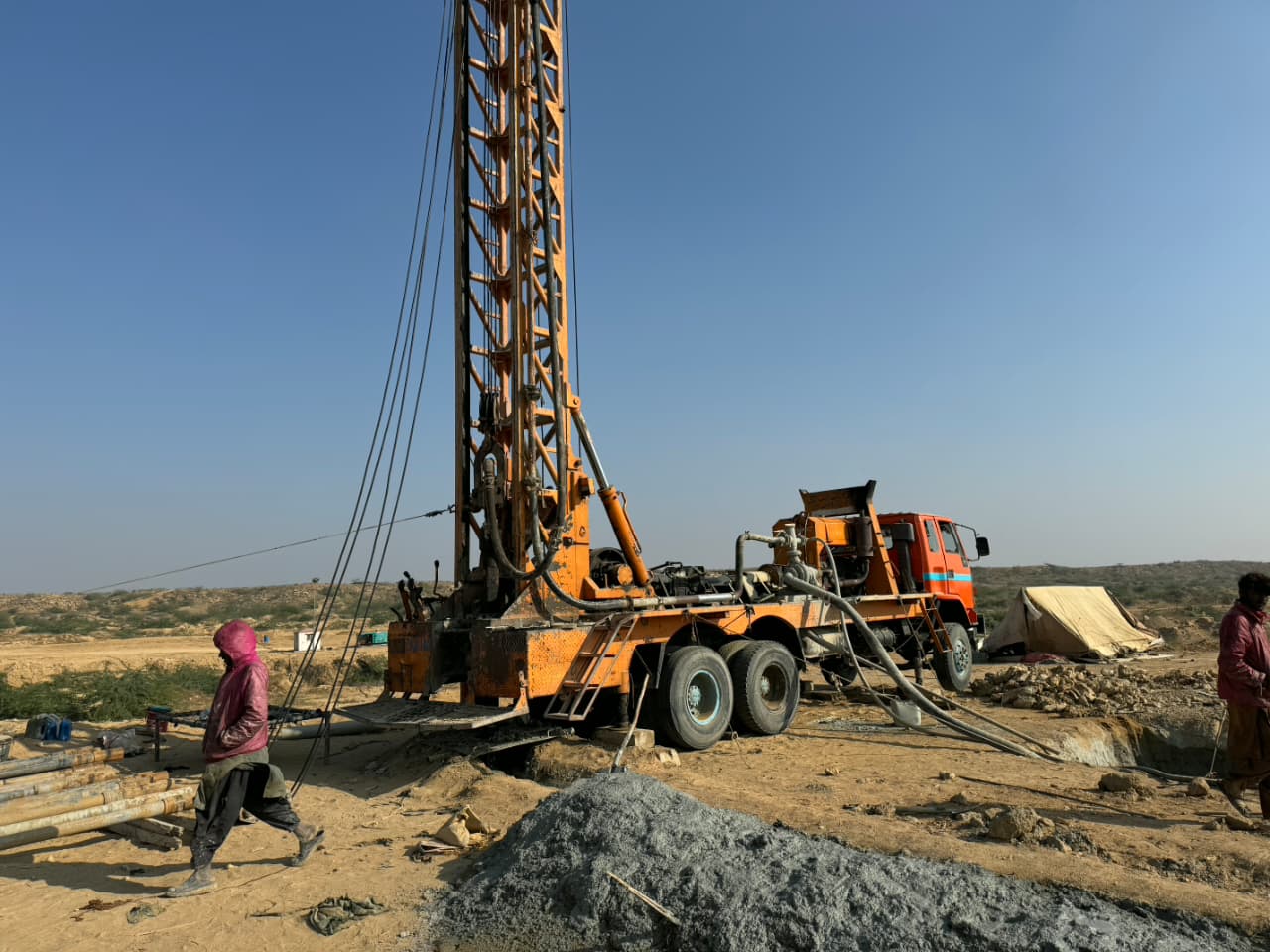
Introduction
The drilling industry is evolving rapidly thanks to technological innovation. Advanced tools, data systems, and engineering solutions are transforming how drilling projects are planned and executed. At SAF Drilling & Engineering, we embrace innovation because it improves precision, enhances safety, and delivers better results for our clients.
Data-Driven Drilling
Modern drilling requires more than brute force — it demands data. Real-time monitoring systems now track drill speed, torque, depth, and subsurface conditions. These insights help drilling crews make decisions quickly, avoid hazards, and optimize performance.
Sensors placed on drill rigs can alert operators to anomalies that might otherwise go unnoticed, reducing downtime and preventing equipment damage.
Automated and Semi-Automated Rigs
Automation is reshaping drilling. Semi-automated drill rigs improve accuracy and reduce manual handling of heavy components. By lowering the involvement of human operators in high-risk tasks, automated systems improve safety and consistency.
These rigs also support repeatability, meaning procedures that worked well on one site can be reproduced on others with high precision.
Advanced Drill Bits and Materials
Drill bits have become more efficient and durable thanks to new materials such as polycrystalline diamond compact (PDC) cutters and improved design geometries. These advancements increase penetration rates, reduce wear, and lower drilling costs.
Selecting the right drill bit for the geology encountered improves outcomes significantly.
Geospatial Mapping and Remote Sensing
Before drilling begins, modern projects often start with geospatial analysis. Remote sensing technologies — such as LiDAR and aerial imaging — provide high-resolution terrain data. These data inform site layout, access planning, and hazard identification.
When combined with subsurface models, remote sensing helps drilling engineers understand what lies beneath and plan accordingly.
Environmental Monitoring Systems
Protecting the environment is a priority in modern drilling. Continuous environmental monitoring systems track ground vibration, noise, water quality, and air emissions. These tools allow drilling companies to stay within regulatory limits and minimize environmental impact.
Such monitoring also builds trust with local communities by demonstrating responsible practices.
Digital Workflows and Reporting
Digital platforms have replaced paper-based workflows. From drilling logs to daily reports, cloud-based systems ensure that data is captured accurately and shared instantly with clients, engineers, and field teams.
This transparency accelerates decision-making and keeps stakeholders informed in real time.